Conservation Forest Mushrooms
Mushroom is a form of fungus (Kingdom Fungi) with fruiting bodies that can be observed directly (macroscopic). All types of fungi are eukaryotic, have spores, do not contain chlorophyll, reproduce sexually and asexually. In the absence of chlorophyll, fungi rely on saprophytic processes to obtain food sources, although there are also classes of fungi that are parasitic on other organisms. The process of fungal development start from spores that germinate to form hyphae, then developed into mycelial network, and under the right conditions, mushroom fruiting bodies emerge.
In their natural habitat, fungus can be found growing as a saprophyte in soil substrate, termite nests, piles of leaf litter, and rotting woods. As ectomycorrhizae, fungus can be found growing on soil substrate around tree roots area. Meanwhile, parasitic fungi can be found on living trees or insects.
Mushroom sampling was carried out in several conservation areas of Badak LNG, such as: City Forest, Orchid Garden, Area-IX Conservation Forest, Al-Furqon Conservation Forest, and Al-Kautsar Natural Forest. In addition to conservation areas, there are also some data or reports from nearby workers and their families, such as from: Nursery, Community Area, Badak LNG Guest House Courtyard, Badak LNG Hospital, and Badak LNG Airport Park.
Mushroom Population Trend
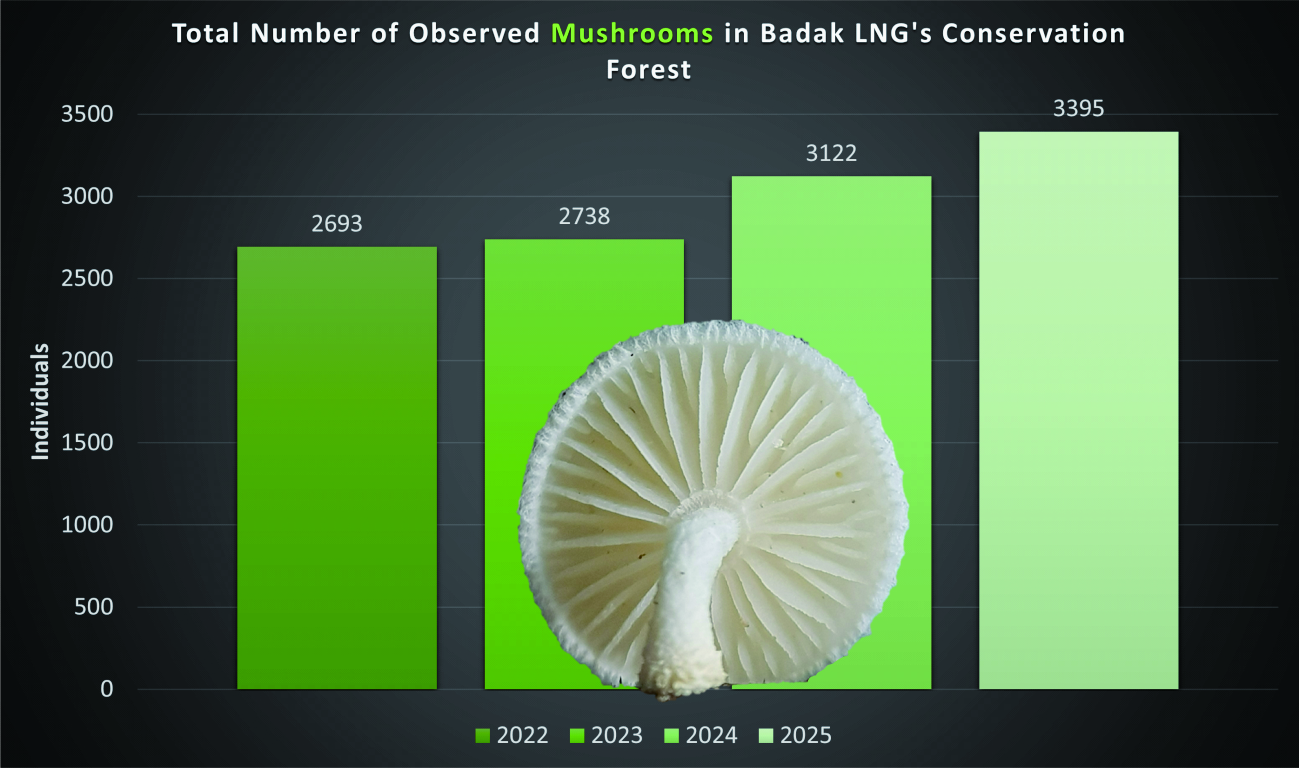
Continuous biodiversity monitoring at Badak LNG's Conservation Forest shows a consistent upward trend in the total number of observed mushroom individuals from 2022 to 2025, demonstrating the effectiveness of the conservation program in maintaining and improving fungal biodiversity.
Mushroom Species Documentation
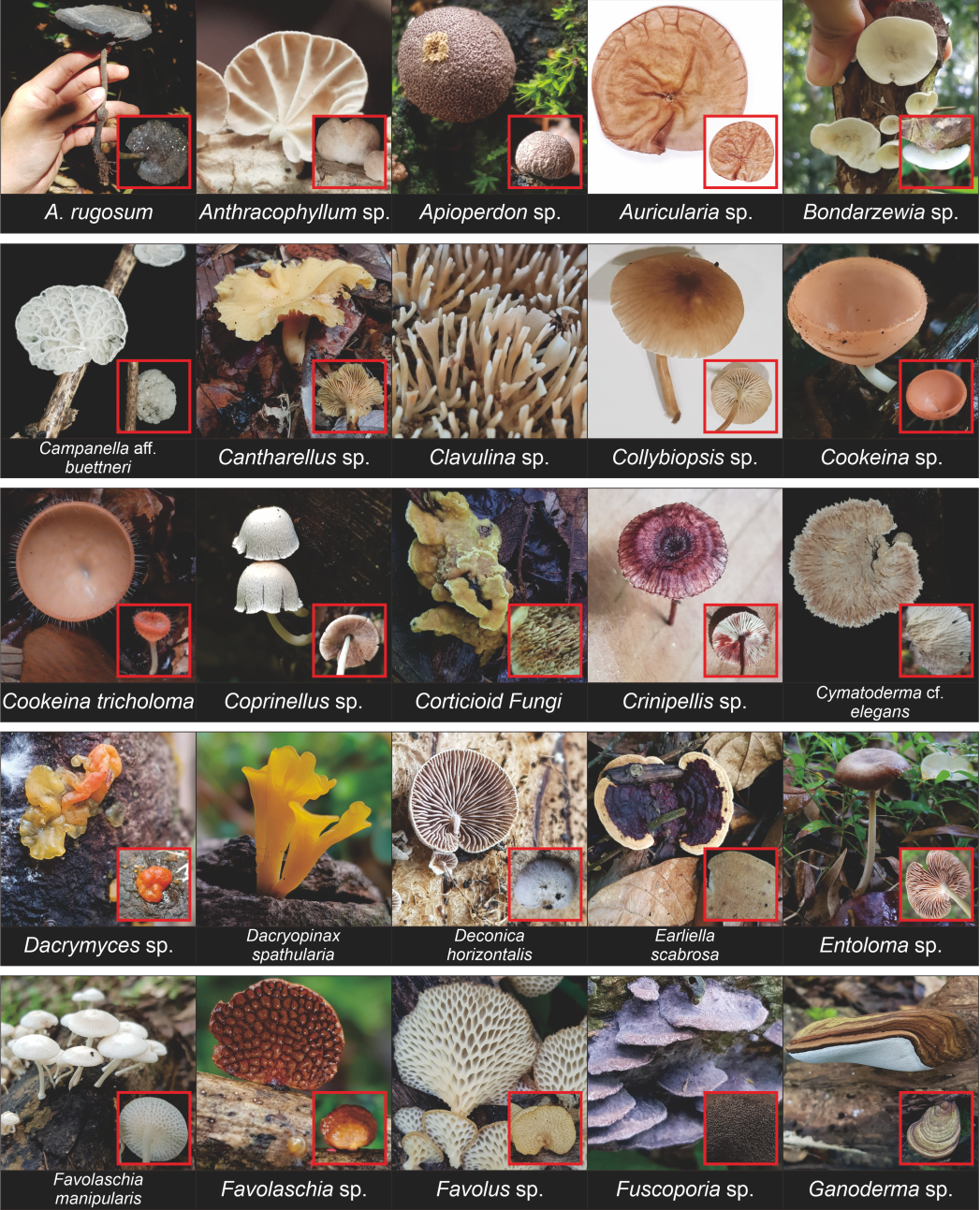
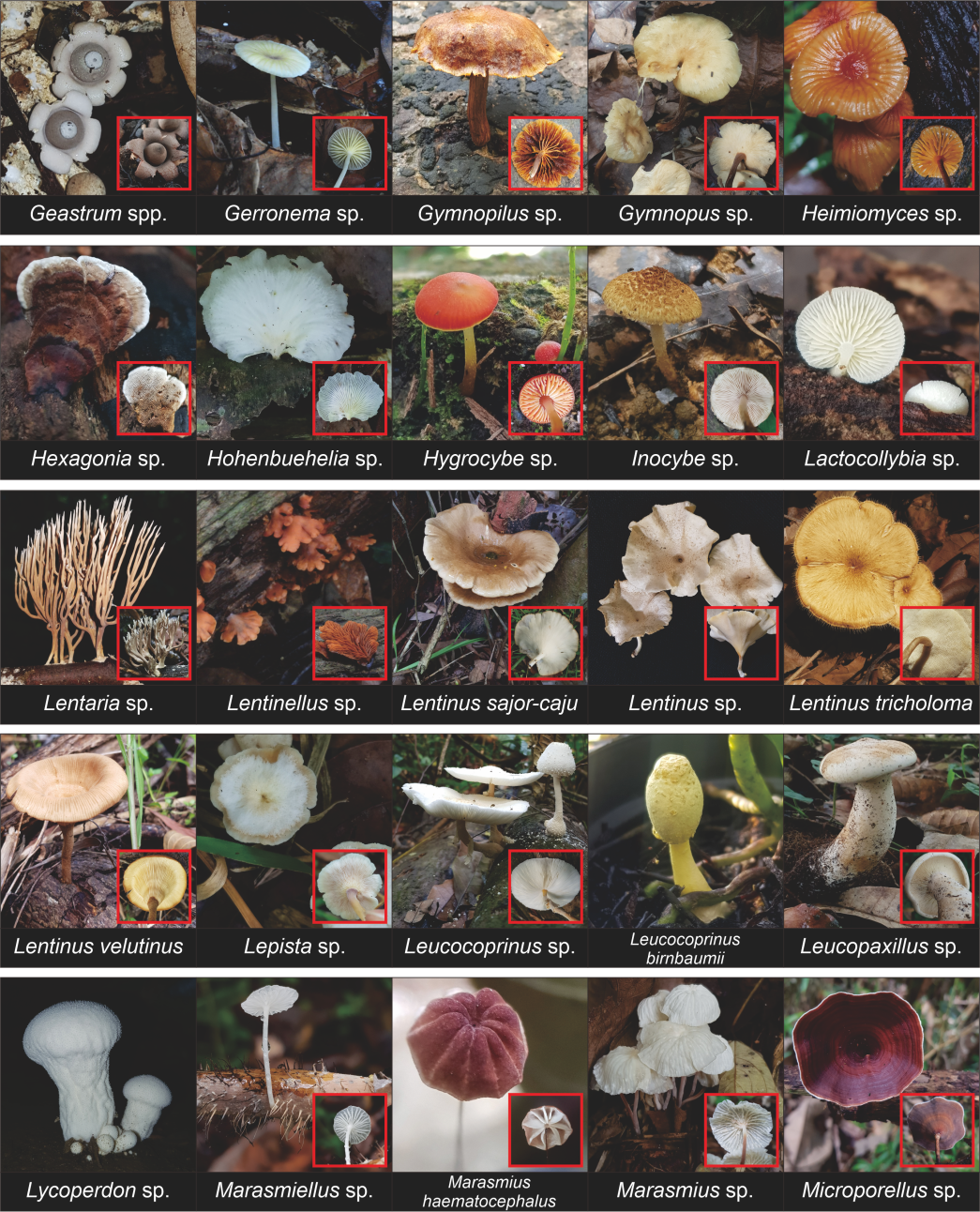
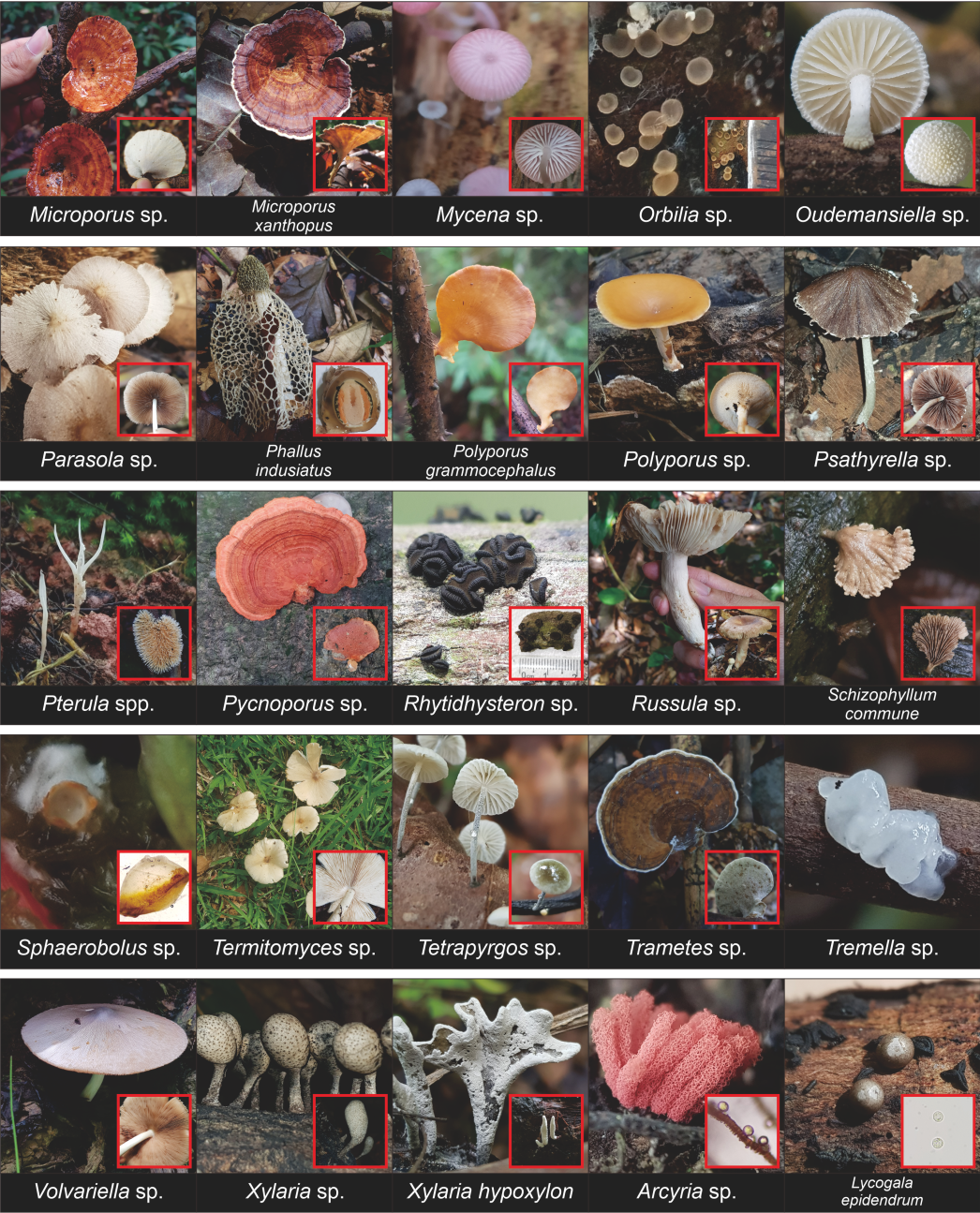
A wide variety of mushroom species have been documented through systematic field observations within Badak LNG's Conservation Forest. The species range from wood-decaying bracket fungi and delicate gilled mushrooms to unique termite-associated species, reflecting the rich and diverse fungal ecosystem supported by the forest.
Complete Species List
The following table presents the complete list of mushroom species recorded in Badak LNG's Conservation Forest, along with their taxonomic classification (Division, Order, Family, Species) and local Bontang names where applicable.
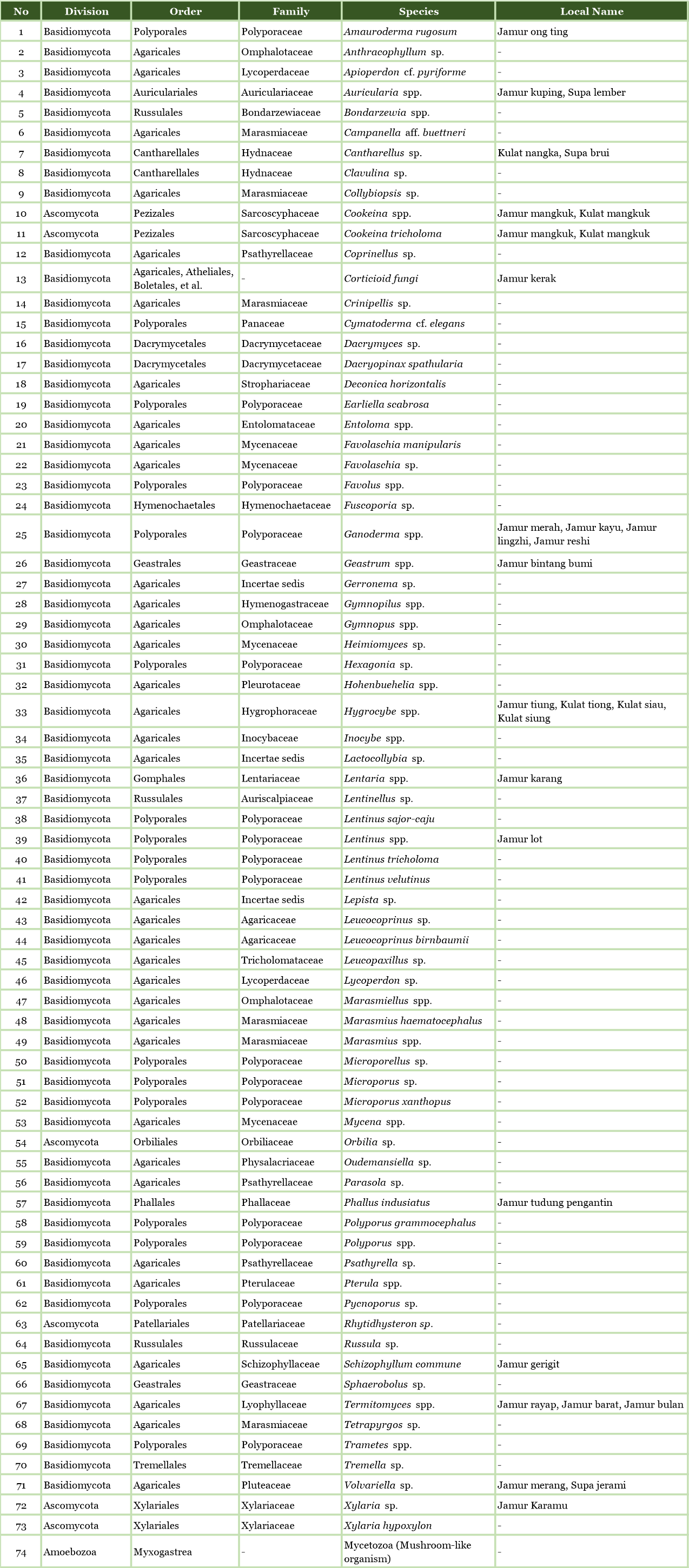
Click to enlarge the species table